Meet The Musician with Benjamin Baker: On curiosity, connection and comparing concert notes
News Posted: 21 Sept 2026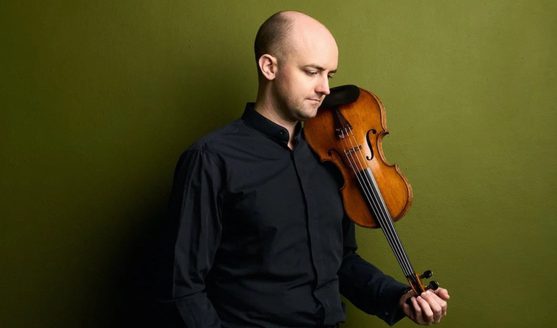
News Story
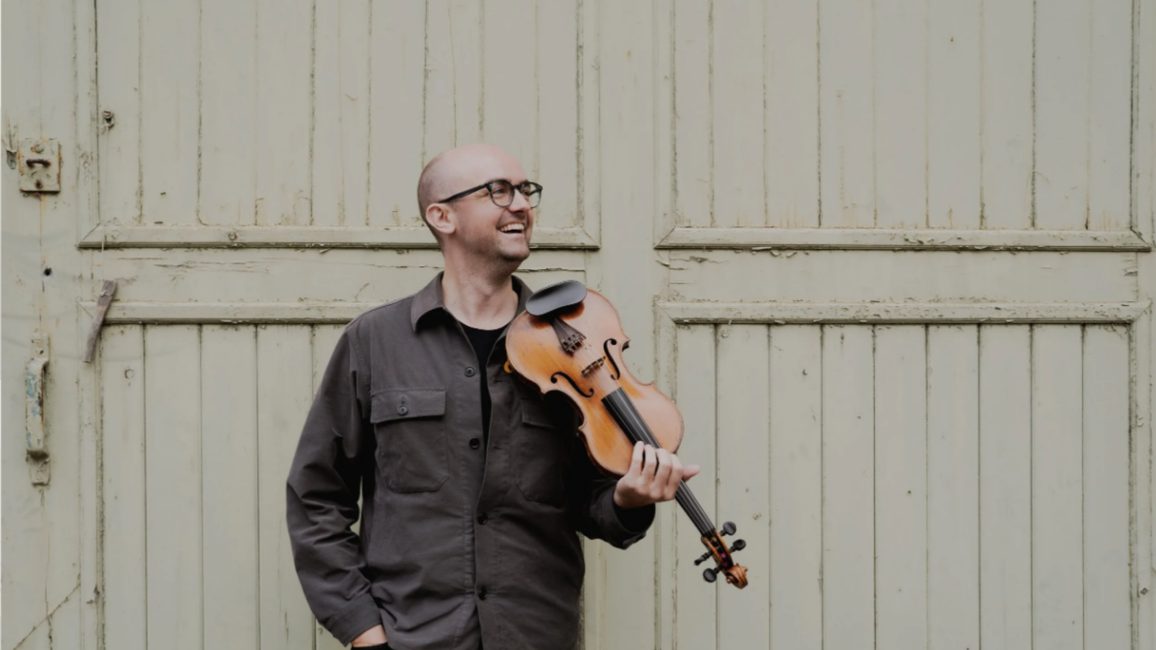
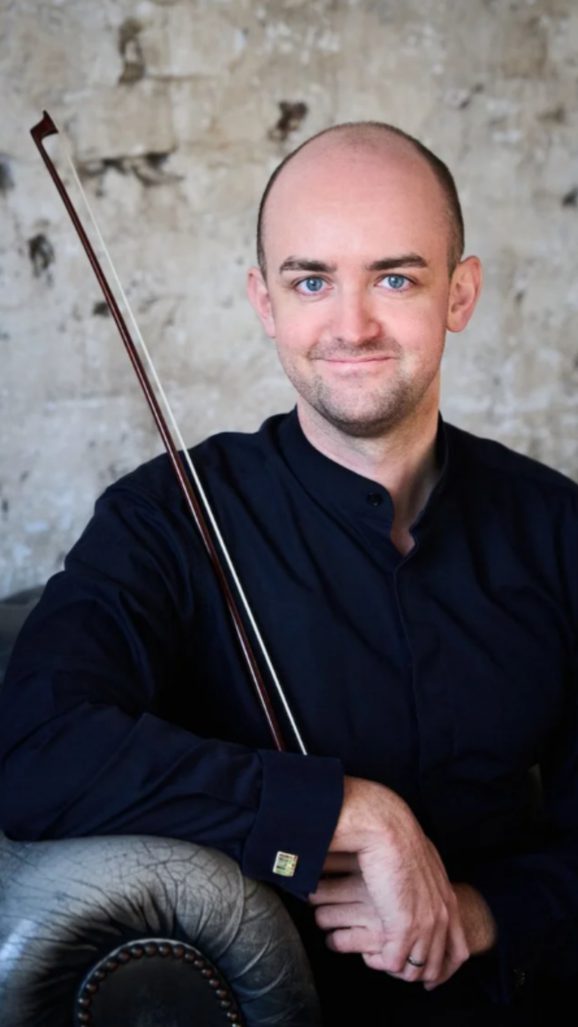
Violinist and YMS alumnus Benjamin Baker has established himself as a sought-after soloist and chamber musician.
Among his many achievements this year, he gave the world premiere of Matthew Kaner’s Violin Concerto, written for him and commissioned by the BBC Scottish Symphony Orchestra and the Amarillo Symphony in Texas. He also made his debut with the Nordwestdeutsche Philharmonie and the Romanian Radio Chamber Orchestra, following recent appearances with the Mobile, Columbus, Summerville and Newport Symphony Orchestras in the USA.
Later next year, Benjamin releases the complete Mozart Violin Concertos with conductor Jonathan Bloxham and the London Mozart Players on Delphian Records. The release follows two critically acclaimed albums with pianist Daniel Lebhardt, 1942 and 1919: Coda. His solo recordings also include works with the BBC Concert Orchestra and the Royal Philharmonic Orchestra.
Ahead of his professional Menuhin Hall debut on 5 November, Benjamin speaks to us about his long-standing partnership with Daniel Lebhardt, the stories behind their concert programme and the connections that bring music to life.
YMS: When you look at this programme as a whole, what is the story you feel it tells and what made you want to tell that story now?
BB: For me, it tells a story of human curiosity and our desire to connect. These composers had such individual voices, but shared a passion for communicating things that words couldn’t quite express. I love discovering the connections between them. That feels particularly worth sharing now: an invitation to listen, be curious and see something through someone else’s eyes, or ears in this case!
YMS: You’ve described music in the past through its very human qualities. What do you think is most human about the music you’ll be performing in this concert?
BB: I love the way people inspire one another. Schubert’s Rondo grew out of his admiration for the Czech violinist Josef Slavík, while Brahms’s Second Sonata connects with his songs and his friendship with the singer Hermine Spies. These glimpses of the people behind the music bring it closer to us. Admiration, affection and the wish to share something with another person are feelings we all recognise.
YMS: Bacewicz’s Witraż (Stained Glass) is a particularly evocative work. What do you hear, or imagine, in the music that makes it come to life?
BB: Bacewicz was a remarkable violinist and composer, and it’s exciting to see her music reaching more listeners. I’m drawn to the shifting colours of Witraż, just as light changes as it passes through glass.
I think it is also a metaphor for live music: a prism through which we experience our own lives and thoughts differently. Together with Kołysanka, or Lullaby, it opens a different window as we move from the warmth and clarity of Schubert and Brahms into Respighi’s expansive world.
YMS: Which piece in the programme are you most excited for audiences to experience live, and what makes it special?
BB: I’d choose the Respighi Sonata. It’s a wonderful challenge for both of us, with an emotional range and richness of sound that can feel almost orchestral. I hear something of Strauss’s sweeping romanticism, alongside a warmth and lyricism that feel distinctly Italian. What makes it special is how that enormous sound can give way to something very intimate. I believe Respighi takes this contrast to new extremes!
YMS:You’ve performed on some of the world’s major stages. What is it about a live recital like this that still gives you a sense of occasion?
BB: Those stages are thrilling, but what makes a recital special is the people who come on the journey with us. That could be ten people in someone’s living room, an audience in a crumbling theatre in a rural Argentinian farming community, or 350 in a gorgeous recital hall.
Everyone hears something slightly different, and we respond to each other and to the people listening with us. The notes may already be written, but the journey we take with them only begins when we breathe together before the first note.
YMS: How has your relationship with this repertoire changed through performing it with Daniel Lebhardt?
BB: Daniel and I have been playing together regularly for more than ten years, and it’s a privilege to bring that shared experience to our performances. We’ve explored, experimented with and sometimes puzzled over so many corners of the repertoire together.
Every composer has their own inner logic, their own way of making the music speak. The more we understand that together, the more freedom we have in performance. We want each moment to grow naturally from what has just happened, what we’re hearing in the moment from each other and what might happen next. That’s what keeps even familiar music feeling alive.
YMS: Your playing has been described as combining virtuosity with refinement and “youthful exuberance”. When you’re on stage, do you think about those qualities at all, or are you trying to get beyond technique altogether?
BB: I don’t think I think about myself very much at all! The preparation is about giving yourself the freedom to listen and respond on stage. I’m absorbed in the music, in what Daniel is doing and in the connection with the audience. Ideally, technique allows all of that to happen freely.
YMS: And for someone who doesn’t normally go to classical concerts, what might surprise them about an evening like this?
BB: Just how big a world two instruments can conjure. We can move from something that feels like a private conversation to an almost orchestral sound, with tenderness, humour, tension and drama along the way. You don’t need to know the pieces beforehand. Bring your curiosity and see where the music takes you.
YMS: If you had to choose one moment from the evening to persuade someone to buy a ticket, which would it be and why?
BB: I’d probably choose the opening of the final movement of the Respighi. The piano introduces this wonderfully dramatic theme, and there’s a sense that something enormous is about to unfold.
My advice would be to bring a good friend and enjoy the ride together. Part of the pleasure is comparing notes afterwards about what moved you or caught you off guard. You might discover you’ve had quite different experiences of the same evening!
See Benjamin Baker and Daniel Lebhardt perform this stunning programme on Thursday 5 November at 7.30pm at the Menuhin Hall.
Book tickets and explore the full programme here.
Related items

Meet the Musicians: Claire Martin OBE and Martin Sjöstedt on the modern jazz scene
21 September 2026Claire Martin has established herself as a tour de force on the UK jazz scene, gaining many awards, including winning the British Jazz Awards as Best Vocalist…
Meet the Musician: Llŷr Williams on Childhood, Liszt and ‘The Most Tuneful Ballet of All Time’
3 September 2026Welsh pianist Llŷr Williams is widely admired for his profound musical intelligence and for the expressive and communicative nature of his interpretations. He…
Menuhin Recommends... Romeo and Juliet by Sergei Prokofiev
14 August 2026‘Two households, both alike in dignity...’ There are few pieces of music that can make a concert hall feel simultaneously enormous and intimate. Prokofiev’s…